Root canal treatment in Mesa becomes necessary when infection or decay reaches the soft tissue inside a tooth, and the clearest sign is persistent, throbbing pain that worsens with heat or pressure. That pain is your tooth sending an urgent message. Ignoring it rarely makes the problem disappear; it usually makes the situation worse.
Many Mesa residents put off dental visits until a toothache becomes unbearable. Unaddressed cavities and minor symptoms remain the leading cause of true dental emergencies, often resulting in root canals, extractions, or wisdom teeth removal. At Julian Dentistry, we see this pattern often, especially heading into the busy holiday stretch when patients want to feel their best.
Why Root Canals Get a Bad Reputation
Root canal treatment has a reputation problem that doesn't match reality. Modern techniques and numbing methods make the procedure comparable to getting a filling. The real discomfort almost always comes from the infection itself, not the treatment that resolves it.
Patients frequently tell us they felt immediate relief once the infected tissue was removed. A calm, communicative dental team makes a measurable difference here. Our patients often mention how approachable and reassuring our office feels, which matters most when someone is nervous about a procedure.
Signs You May Need Root Canal Treatment in Mesa
Tooth pain shows up in different ways depending on how far the infection has spread. Catching these signs early can mean a simpler procedure and a better outcome.
Watch for these common indicators:
- Sharp or lingering pain when biting down or chewing
- Sensitivity to hot or cold that lasts well after the stimulus is gone
- Swelling or tenderness in the gums near a specific tooth
- A small bump on the gum that resembles a pimple
- Darkening or discoloration of a single tooth
- Pain that radiates toward the jaw, ear, or neck
If you notice even one of these symptoms, it's worth scheduling an exam soon. Waiting rarely resolves the underlying infection on its own.
How the Procedure Actually Works
During root canal treatment, the dentist removes infected or inflamed tissue from inside the tooth. The empty space is then cleaned, shaped, and sealed to prevent further bacteria from entering. In many cases, a crown is placed afterward to restore strength and protect the tooth long term.
The entire goal is preservation. Saving your natural tooth structure keeps your bite functioning properly and avoids the more involved process of replacement. Patients often leave surprised at how straightforward the visit turned out to be.
Why Saving the Natural Tooth Matters
Arizona adults increasingly view oral health as tied to overall wellness, not just appearance. Statewide data shows that a large majority of adults connect healthy teeth to physical health, and many also link it to mental well-being and confidence. Losing a tooth to a preventable infection affects more than your smile.
Natural teeth support proper chewing, speech, and jaw alignment in ways replacement options can only approximate. Root canal treatment lets you keep that original structure functioning as it should. It's a far more conservative approach than extraction followed by a bridge or implant.
Preventing the Need for a Root Canal
Routine checkups remain the best defense against needing emergency endodontic care. A large share of Arizona adults already prioritize annual preventive visits specifically to avoid severe dental problems down the road. Small, consistent habits make a real difference over time.
Consider these preventive steps:
- Schedule checkups and cleanings twice a year
- Address small cavities promptly instead of waiting
- Avoid chewing ice or very hard foods that crack enamel
- Wear a nightguard if you grind your teeth during sleep
- Call your dentist at the first sign of lingering sensitivity
With Thanksgiving gatherings and holiday meals approaching this November, now is a good time to resolve any lingering tooth pain before it interrupts your plans. A quick exam now can prevent an emergency visit during a busy week later.
What to Expect at Your Visit
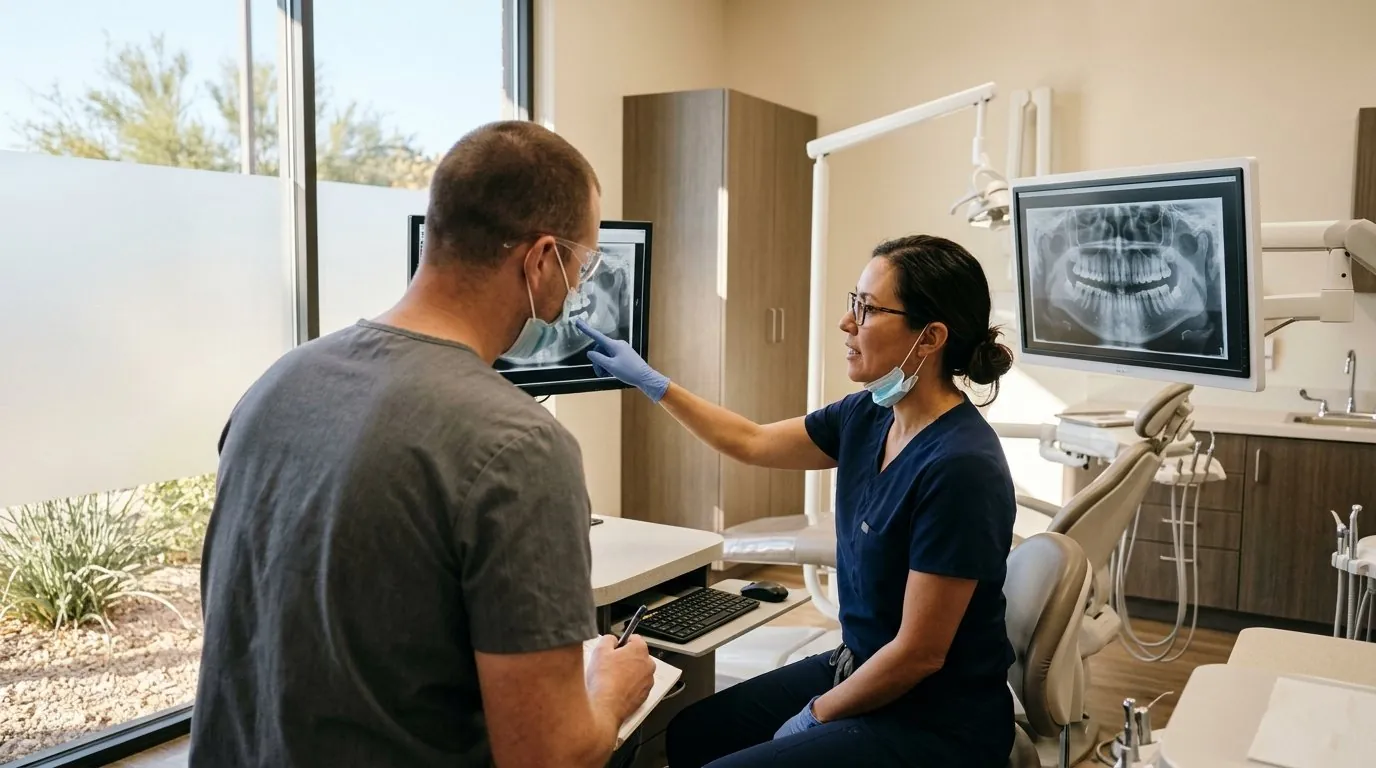
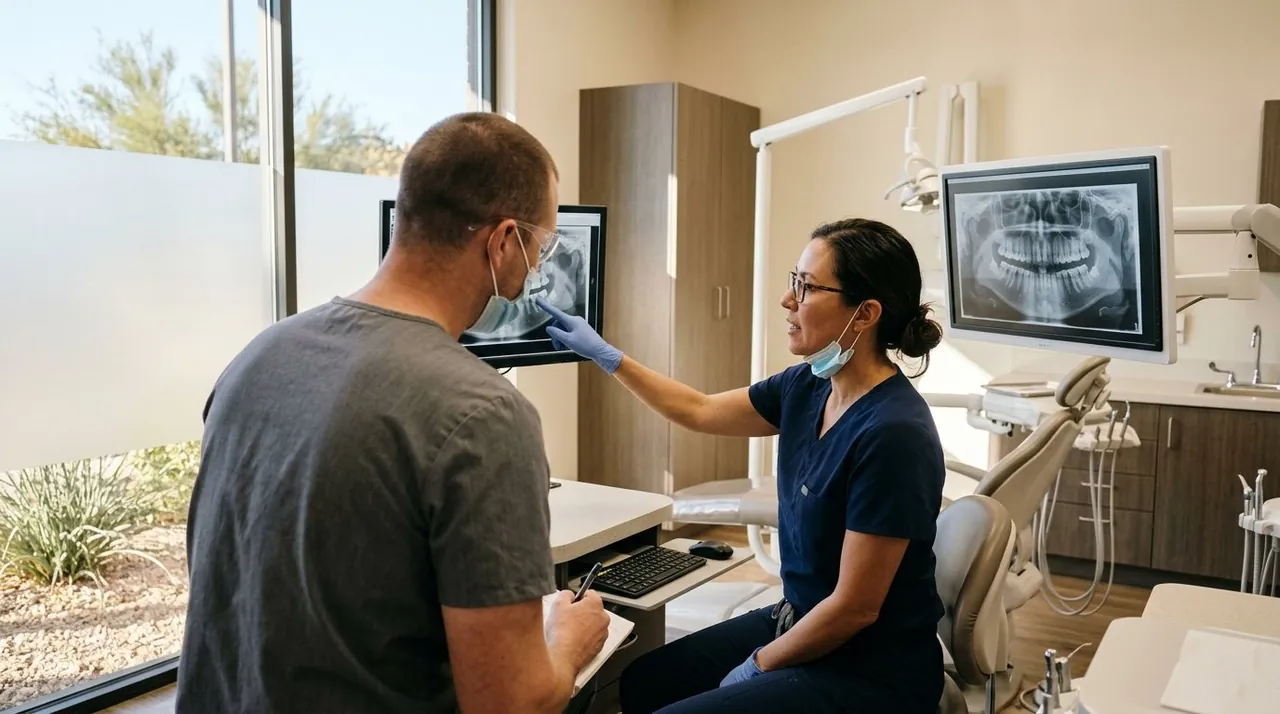
Your first appointment typically starts with an exam and imaging to confirm the extent of the infection. From there, the dentist explains the recommended treatment plan clearly before moving forward. Most patients complete the procedure in one or two visits, depending on the tooth involved.
Recovery is usually mild, with some tenderness for a day or two afterward. Over-the-counter pain relief and soft foods are often all that's needed. Most people return to normal eating and speaking within a short time.
Frequently Asked Questions
Does a root canal hurt more than a filling?
No. With modern numbing techniques, most patients report the sensation feels similar to getting a standard filling. The pain people associate with root canals actually comes from the infection beforehand, not the treatment itself.
How long does a root canal take?
Most procedures are completed in one to two appointments, depending on how many canals are involved and the tooth's location. Your dentist will give you a clearer timeline after an initial exam.
Can I avoid a root canal if I catch a cavity early?
Often, yes. Small cavities treated promptly with a filling can prevent decay from reaching the inner tooth tissue. That's why routine checkups and quick attention to sensitivity matter so much.
What happens if I ignore tooth pain and skip treatment?
Untreated infection can spread, leading to worsening pain, abscess formation, and eventually the loss of the tooth. What starts as a manageable issue often turns into a more urgent, costly emergency.
Will I need a crown after a root canal?
In many cases, yes, especially for back teeth that handle significant chewing pressure. A crown protects the treated tooth and restores its full strength and function.
If a toothache has been bothering you, don't wait for it to worsen before the holidays arrive. Reach out to Julian Dentistry to schedule an exam and get back to comfortable, confident chewing.