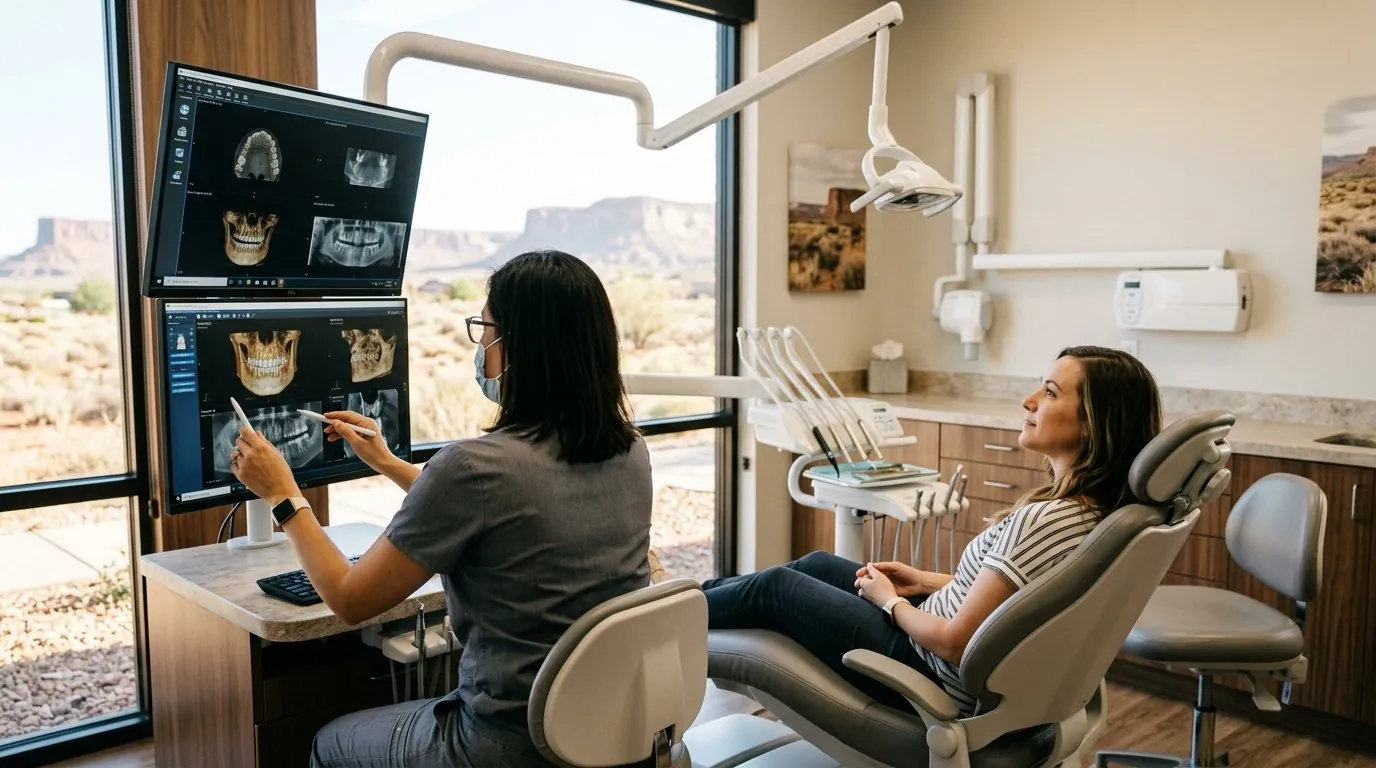
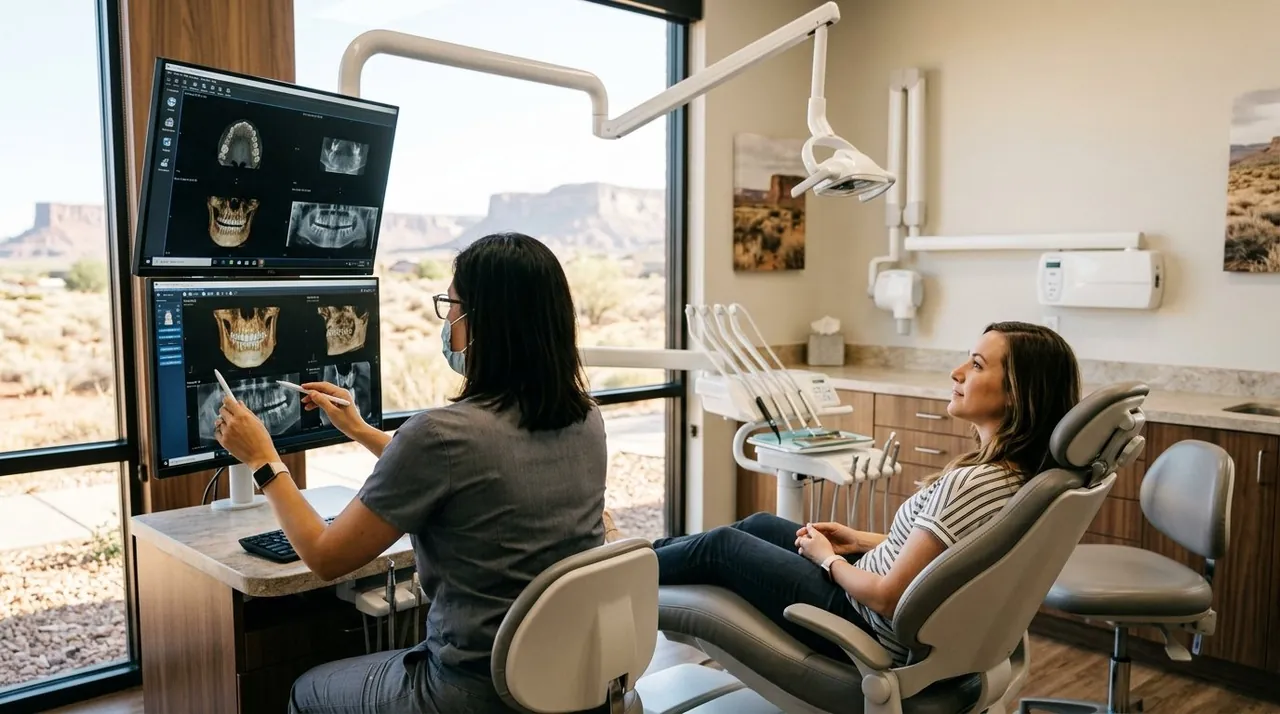
A missing tooth does more than leave a gap in your smile. Within months, the jawbone beneath that space starts to shrink from lack of use, and that process only accelerates the longer you wait. For Mesa residents weighing their options, one solution stands out. Dental implants in Mesa are the only replacement that stops this decline instead of covering it up.
What Actually Happens When You Lose a Tooth
Your jawbone stays strong because chewing sends constant pressure signals through your tooth roots. Remove a tooth, and that stimulation disappears overnight. The bone in that area begins resorbing, meaning your body slowly reabsorbs the mineral density it no longer thinks it needs.
This isn't a cosmetic footnote. Over time, bone loss can shift neighboring teeth out of alignment, weaken your bite, and change the shape of your lower face. Many patients don't notice the sunken look developing until it's fairly advanced.
Why Removable Dentures Don't Solve the Problem
Traditional dentures rest on top of the gums rather than fusing with the bone. They restore appearance and some chewing function, but they do nothing to stimulate the jawbone underneath. That's why many longtime denture wearers notice their dentures fitting looser as the years go on. The bone keeps shrinking, and the denture has to be adjusted or replaced to compensate.
This is a big reason more Mesa patients are moving away from removable options. They want a solution built for the long haul, not one that requires constant maintenance as their jaw structure changes.
How Dental Implants Change the Equation
An implant is a small titanium post placed directly into the jawbone, acting as an artificial root. Because it integrates with living bone tissue, it recreates the pressure and stimulation your natural tooth once provided. This keeps the surrounding bone active and helps prevent the resorption that dentures can't stop.
Here's what makes implants different from other replacement options:
- They fuse with your jawbone, rather than sitting on the gum surface like a denture.
- They stimulate bone growth, helping preserve your natural facial structure over time.
- They function like real teeth, letting you bite and chew without the slipping or discomfort common with removable appliances.
- They support long-term oral health, reducing strain on neighboring teeth that often shift after tooth loss.
- They can anchor a crown, bridge, or full denture, depending on how many teeth need replacing.
For patients missing multiple teeth in a row, a fixed bridge supported by implants is often a stronger alternative to a standard removable bridge. It stays anchored in place and distributes bite force more naturally.
Why Timing Matters More Than People Realize
The bone loss process doesn't pause while you're deciding what to do. The longer a gap sits empty, the more bone density disappears, and in some cases that can complicate future implant placement. Addressing tooth loss sooner rather than later generally means simpler treatment and better long-term outcomes.
October is a good time to think about scheduling a consultation before the busy holiday season fills up calendars across Mesa. Appointment demand tends to climb as the year winds down. Getting ahead of it now can save you a longer wait later, especially at busy Mesa practices.
A Broader Pattern in Mesa Dentistry
Tooth loss isn't an isolated issue. It connects to a much bigger issue in Mesa dentistry. General dentistry faces the same access challenges across the region. Growing demand makes it harder to get timely appointments at established practices. Staying proactive tends to help you fare better long-term. This might mean routine cleanings or addressing a missing tooth promptly. Either way, staying ahead helps you avoid the complicated and costly problems that come from delay.
Patients who have worked with Julian Dentistry often mention how consistent the experience feels from the moment they walk in. That consistency matters even more when you're navigating a bigger decision like implant treatment. Feeling comfortable with your provider makes it easier to move forward with confidence.
What to Expect From the Process
Every case is different depending on how much bone density remains and how many teeth need replacing. Generally, the process involves a few key steps. These include an initial evaluation, placement of the implant post, a healing period for bone integration, and attachment of the crown, bridge, or denture. Your dentist will walk you through timing specifics based on your particular situation.
If you're exploring dental implants as an option, start with a consultation. It's the clearest way to understand whether you're a good candidate and what treatment looks like for your jaw.
Frequently Asked Questions
Are dental implants painful to get placed?
Most patients report the procedure itself is far more comfortable than expected, thanks to local anesthesia and modern techniques. Some mild soreness during healing is normal, similar to recovering from a tooth extraction.
How long does it take for an implant to fully integrate with the jawbone?
Healing time varies by patient and bone density, but the fusion process generally takes several months. Your dentist will monitor progress and let you know when it's ready for the final restoration.
Can I get an implant if I've already lost significant bone density?
It depends on the severity of the loss. A dental evaluation will determine whether your jawbone can support an implant or whether additional steps are needed first.
Are implants a better long-term investment than dentures?
Implants tend to last much longer without needing frequent adjustments, since they don't rely on the gum tissue changing shape over time. Many patients find the stability and reduced maintenance worth the upfront process.
If you're dealing with a missing tooth or want to understand your replacement options, reach out to schedule a consultation with Julian Dentistry today.