Understanding Root Canal Treatment: A Pain-Free Way to Save Your Tooth
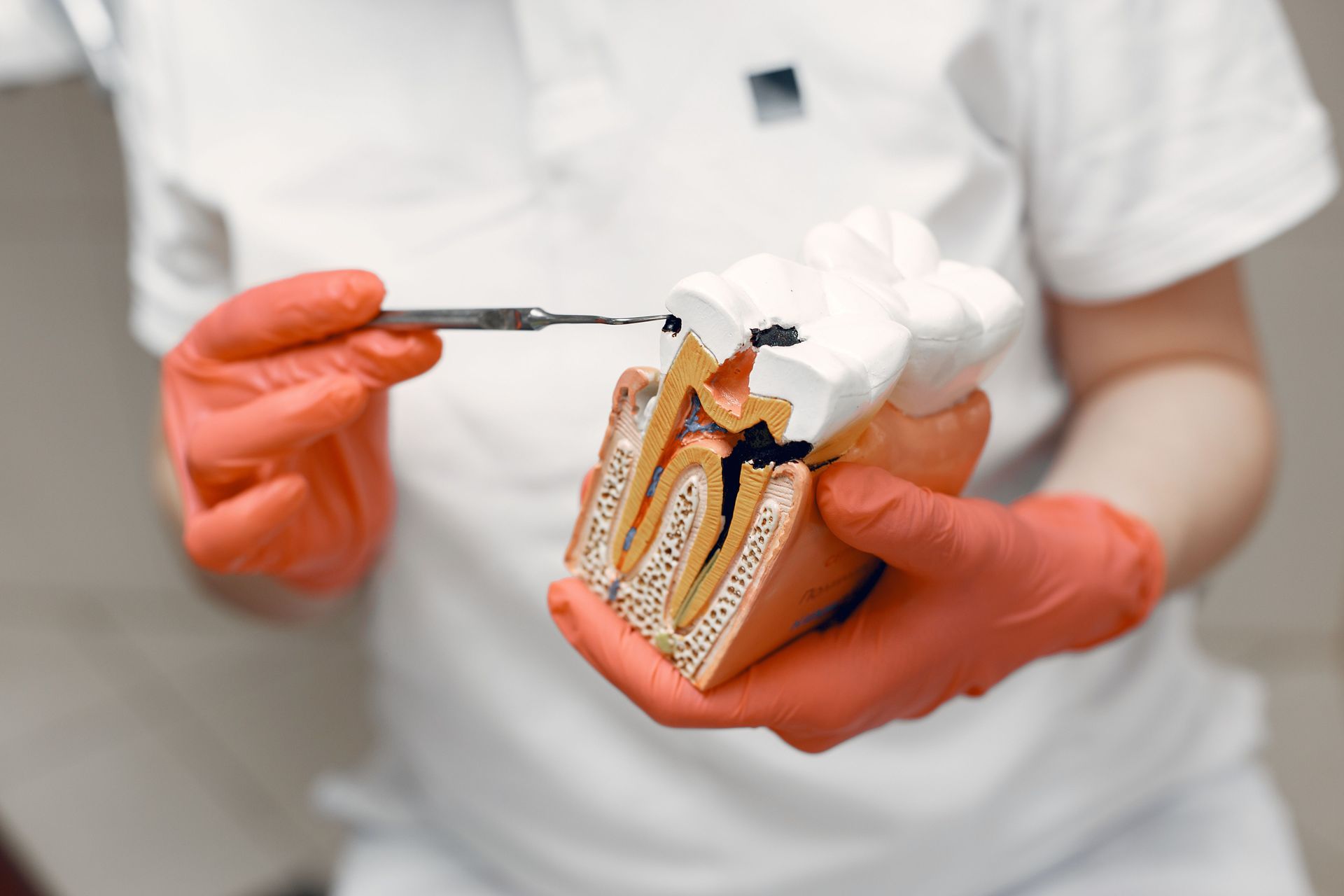
When most people hear the words "root canal," they immediately picture discomfort, lengthy appointments, and dramatic scenes from old sitcoms. The truth is much different. Modern root canal treatment is designed to relieve pain, not cause it. Thanks to advancements in dental technology and anesthesia, patients today can undergo a Pain-Free Root Canal procedure comfortably while preserving their natural tooth.
Root canal treatment is often the best way to save a severely damaged or infected tooth. Instead of removing the tooth altogether, the procedure eliminates infection and restores function so you can continue eating, speaking, and smiling with confidence. Understanding how the process works can help remove fear and make it easier to seek treatment when needed.
What Is Root Canal Treatment and Why Might You Need It?
A root canal is a dental procedure used to treat infection or damage inside a tooth. Deep within every tooth is a soft tissue called the pulp, which contains nerves and blood vessels. When the pulp becomes infected due to decay, cracks, trauma, or repeated dental procedures, treatment is necessary to prevent further complications.
Without treatment, the infection can spread beyond the tooth and affect surrounding tissues. In some cases, patients may experience significant pain, swelling, or even tooth loss.
Common signs that may indicate the need for root canal treatment include:
- Persistent tooth pain: Pain that lingers or worsens over time may signal an infected pulp.
- Sensitivity to hot or cold: Discomfort that remains after the temperature source is removed can be a warning sign.
- Swollen gums: Localized swelling around a tooth may indicate infection.
- Darkened tooth color: A tooth that becomes discolored could have internal damage.
- Pain when chewing: Pressure sensitivity often occurs when infection affects the tooth's interior.
Many people are surprised to learn that the purpose of root canal treatment is to save a tooth rather than remove it. Preserving natural teeth whenever possible helps maintain proper bite function and jawbone health.
Modern dentistry has made the procedure highly predictable and efficient. In fact, many patients compare the experience to receiving a standard filling. While the idea of treatment may seem intimidating, delaying care often creates far greater discomfort than the procedure itself.
The sooner an infection is diagnosed, the easier it is to address. Early treatment can prevent more extensive dental issues and help protect your long-term oral health.
How a Pain-Free Root Canal Procedure Works
One of the biggest misconceptions surrounding root canals is that they are painful. In reality, modern techniques are specifically designed to provide a comfortable experience. A Pain-Free Root Canal is often no more uncomfortable than routine restorative treatment.
The process typically begins with a thorough examination and digital imaging. This allows the dentist to assess the extent of the infection and determine the best treatment approach.
The procedure generally includes the following steps:
- Numbing the area: Local anesthesia ensures the tooth and surrounding tissues remain comfortable throughout treatment.
- Accessing the infected pulp: A small opening is created in the tooth.
- Removing damaged tissue: The infected pulp is carefully cleaned from the root canals.
- Disinfecting the canals: Specialized solutions eliminate bacteria and reduce the risk of future infection.
- Sealing the tooth: The cleaned canals are filled and sealed to protect against reinfection.
Many patients are pleasantly surprised by how straightforward the procedure feels. The discomfort they experienced from the infection is often far worse than the treatment itself.
Modern dental offices use advanced technology, improved anesthesia techniques, and patient-centered care to create a positive experience. The goal is not only to treat the infection but also to ensure patient comfort from start to finish.
If dental anxiety has been keeping you from seeking treatment, it may help to remember that root canals have evolved significantly over the years. Today's procedures focus on efficiency, comfort, and successful long-term outcomes.
The Importance of Root Canal Restoration After Treatment
Completing the root canal procedure is only one part of saving your tooth. In most cases, a Root Canal Restoration is necessary to strengthen and protect the treated tooth.
After the infected pulp is removed, the tooth no longer receives nourishment from that internal tissue. While the tooth remains functional, it can become more brittle over time. Restoration helps protect it from fractures and additional damage.
Common restoration options include:
- Dental crowns: Often recommended for molars and heavily damaged teeth.
- Dental fillings: May be appropriate when minimal tooth structure has been lost.
- Custom restorations: Designed to restore both appearance and function.
A properly completed Root Canal Restoration offers several important benefits:
- Improved durability: Reinforces the treated tooth.
- Restored chewing function: Allows normal eating and speaking.
- Natural appearance: Blends seamlessly with surrounding teeth.
- Long-term protection: Reduces the risk of future complications.
Many root canal treated teeth can last for decades with proper care. Maintaining good oral hygiene, attending routine dental visits, and following your dentist's recommendations all contribute to long-term success.
Saving a natural tooth whenever possible is generally the preferred option. It helps preserve your bite alignment and prevents the need for more extensive tooth replacement procedures later.
Think of the restoration as the finishing touch. The root canal removes the problem, while the restoration helps ensure the tooth remains strong and functional for years to come.
When an Emergency Root Canal May Be Necessary
Dental infections do not always develop gradually. Sometimes symptoms appear suddenly and require immediate attention. In these situations, an Emergency Root Canal may be the best solution to relieve pain and prevent the infection from worsening.
Patients experiencing severe tooth pain should not ignore the problem. Dental infections rarely improve on their own and often become more serious over time.
Signs that may require an Emergency Root Canal include:
- Severe toothache: Persistent pain that disrupts daily activities.
- Facial swelling: Swelling near the affected tooth or jaw.
- Abscess formation: A pocket of infection that develops around the tooth root.
- Increased sensitivity: Intense reactions to temperature changes.
- Difficulty chewing: Pain when biting or applying pressure.
Seeking prompt care can prevent infection from spreading and reduce the likelihood of additional complications. Emergency treatment often provides immediate relief while protecting the affected tooth.
Many patients delay treatment because they hope the pain will disappear. Unfortunately, dental infections tend to become more severe when left untreated. Early intervention not only improves comfort but can also improve treatment outcomes.
When it comes to dental emergencies, acting quickly is always the best approach. Prompt diagnosis and treatment can make a significant difference in preserving your oral health.
Schedule Professional Root Canal Treatment in Mesa, AZ at Julian Dentistry
Protect Your Tooth and Relieve Dental Pain
If you are experiencing tooth pain, sensitivity, or signs of infection, the team at Julian Dentistry is here to help. We provide professional root canal treatment designed to eliminate infection, relieve discomfort, and preserve your natural teeth. Whether you need a routine procedure or an Emergency Root Canal, our experienced team offers personalized care in a comfortable environment for patients throughout Mesa, AZ and surrounding communities.
In addition to root canal therapy, we also provide
dental crowns,
gum disease treatment,
cosmetic dentistry, dental implants, and emergency dental services. Our goal is to help patients maintain healthy, confident smiles with comprehensive dental care. Call Julian Dentistry today at
(480) 482-7178 to schedule an appointment and learn more about your treatment options.
Frequently Asked Questions
Is a root canal painful?
Modern root canal treatment is designed to be comfortable. Most patients report that a Pain-Free Root Canal feels similar to receiving a dental filling.
How long does a root canal procedure take?
Most root canal procedures can be completed in one or two appointments, depending on the complexity of the case.
Why is a root canal better than tooth extraction?
Saving a natural tooth helps maintain proper bite alignment, chewing function, and jawbone health.
What is root canal restoration?
A Root Canal Restoration involves placing a filling or crown on the treated tooth to strengthen and protect it.
When should I seek an emergency root canal?
If you experience severe tooth pain, swelling, or signs of infection, you should contact a dentist immediately to determine if an Emergency Root Canal is needed.