Gum Disease Treatment Options for a Healthier Smile
Gum disease is far more common than many people realize—and far more damaging when left untreated. What often begins as mild inflammation can gradually evolve into infection, bone loss, and eventually tooth loss if professional care is delayed. Fortunately, modern dentistry offers a wide range of solutions designed to stop the progression of gum disease, restore gum health, and protect the long-term stability of your smile.
At
Julian Dentistry in Mesa, AZ, we understand how essential gum health is to your overall wellness. This guide explores the most effective
gum disease treatment options available today, helping you make informed decisions and feel confident as you work toward a healthier smile.
Understanding Gum Disease and Its Impact
Gum disease, also known as periodontal disease, develops when harmful bacteria accumulate along the gumline. In its earliest stage—gingivitis—patients may experience red, swollen, or bleeding gums. When bacteria continue to spread beneath the gums, the condition can progress to periodontitis, where the supporting bone and tissue begin to break down.
Even though gum disease is a progressive condition, it is also highly treatable when identified early. Dentists rely on advanced diagnostic tools to measure gum pocket depth, assess bone levels, and evaluate overall gum health. Early detection is key, which is why regular dental cleanings and exams are essential for long-term oral wellness.
In Mesa’s dry climate, many residents also deal with a higher risk of dry mouth, which can accelerate bacterial activity. This makes preventive care and timely treatment even more important for protecting your smile.
Professional Deep Cleaning: Dental Scaling and Root Planing
One of the most common nonsurgical methods for treating gum disease is dental scaling and root planing. This procedure is often referred to as a deep cleaning because it goes beyond the typical cleaning performed during routine dental visits.
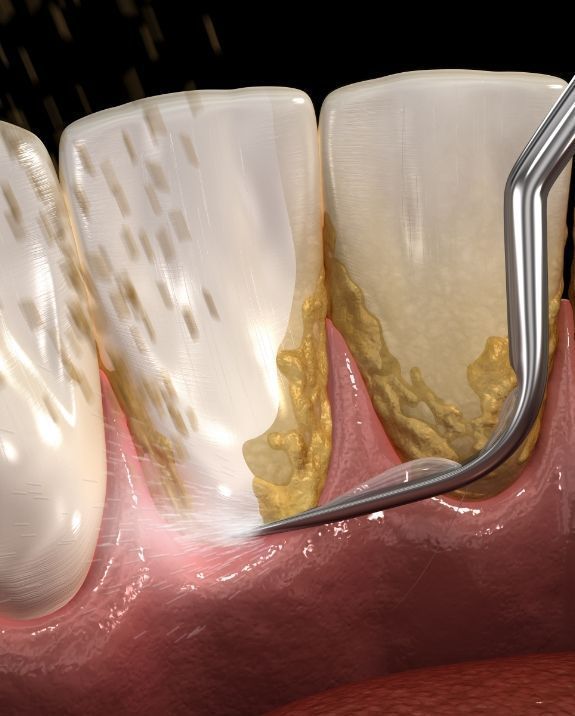
Dental scaling removes plaque, tartar, and bacterial deposits from above and below the gumline. Root planing, the second part of the treatment, smooths the root surfaces so the gums can reattach more securely. Smoother roots also make it harder for bacteria to stick and multiply.
Scaling and root planing are highly effective for early to moderate gum disease and can significantly reduce inflammation, bleeding, and gum pocket depth. Many patients notice fresher breath, reduced sensitivity, and healthier-looking gums shortly after treatment.
In some cases, your dentist may also recommend antimicrobial rinses, localized antibiotic therapy, or a follow-up appointment to track healing and ensure the gums are responding well. At
Julian Dentistry, our team uses gentle techniques and modern tools to make this process as comfortable and effective as possible.
Pocket Reduction Surgery for Advanced Gum Disease
When gum disease advances beyond what deep cleaning can manage, surgical options may be recommended. One of the most common procedures for severe periodontal disease is pocket reduction surgery.
Gum pockets form when the gum tissue pulls away from the teeth due to chronic infection. Over time, these pockets deepen, allowing more bacteria to accumulate and further damage the supporting structures. Pocket reduction surgery involves gently lifting the gums to access and clean the affected areas more thoroughly. Once the bacteria and debris are removed, the gums are repositioned tightly around the teeth to minimize pocket depth.
Reducing pocket sizes not only protects the bone from future damage but also makes daily oral hygiene far easier. With shallower pockets, brushing and flossing become more effective, helping maintain long-term gum health.
This treatment is often recommended when advanced gum disease threatens tooth stability. At
Julian Dentistry, we tailor every surgical plan to the patient’s needs, prioritizing comfort, precision, and long-lasting results.
Regenerative Procedures to Rebuild Gum and Bone Tissue
Severe gum disease can lead to permanent bone loss around the teeth, compromising their support and increasing the risk of tooth loss. Fortunately, regenerative dental treatments make it possible to restore some of this lost structure.
Bone grafting, guided tissue regeneration, and the use of specialized membranes or proteins stimulate natural bone regrowth. These advanced techniques help rebuild the foundation that supports your teeth, making your smile stronger and more stable.
For patients with gum recession, soft tissue grafts may also be recommended. These procedures help restore lost gum tissue, protect exposed roots, and improve the appearance of your smile.
Not every patient requires regenerative procedures, but for those with significant tissue damage, these treatments can make a dramatic difference in both function and aesthetics.
Julian Dentistry offers customized regenerative options that promote natural healing and long-term stability.
Maintaining Results Through Preventive Care and Lifestyle Choices
While professional treatments can stop the progression of gum disease, long-term success depends heavily on preventive care and healthy habits. After your gum disease treatment, your dentist will typically recommend a personalized maintenance schedule, which may include more frequent cleanings to prevent bacteria from returning.
Good home care is equally important. Brushing twice a day, flossing daily, and using an antimicrobial mouthwash can greatly reduce your risk of reinfection. For patients with gum disease, electric toothbrushes and water flossers can be especially helpful for reaching difficult areas.
Lifestyle also plays a major role. Smoking, stress, hormonal changes, and certain medications can all influence gum health. Staying hydrated is particularly important for Mesa residents, as dry mouth can worsen periodontal concerns. A proactive approach helps keep your gums healthy and supports the long-lasting success of your dental treatments.
Take the Next Step Toward Your Healthier Smile: Contact Julian Dentistry for Expert Gum Disease Treatment
If you’re experiencing swollen gums, bleeding when brushing, persistent bad breath, or gum recession, it’s important to address these symptoms as soon as possible. Gum disease will not resolve on its own, but professional care can restore your smile and protect your long-term oral health.
At Julian Dentistry in Mesa, AZ, we offer customized gum disease treatment options ranging from dental scaling and root planing to surgical procedures like pocket reduction surgery. Our experienced team is committed to delivering gentle, effective care tailored to your needs.
We also do cavity treatment, dental implants and crowns, root canal treatment, tooth extractions, and more.
Call us today at (480) 482-7178 to schedule your appointment and take the first step toward a healthier smile.
Frequently Asked Questions
What are the early signs of gum disease?
The earliest indicators include red or swollen gums, bleeding during brushing or flossing, persistent bad breath, and tenderness along the gumline. These symptoms often signal gingivitis, which can be reversed with timely treatment.
Is dental scaling and root planing painful?
Most patients experience little to no discomfort. Local anesthetic is typically used to numb the gums, and any soreness afterward is mild and temporary.
How long does it take to heal from pocket reduction surgery?
Initial healing usually occurs within a couple of weeks, but full recovery may take several months. Your dentist will provide aftercare instructions to support proper healing.
Can gum disease cause tooth loss?
Yes. Advanced gum disease destroys the bone and tissue that support the teeth. Without treatment, this damage can eventually lead to loose teeth or tooth loss.
How often should I schedule periodontal maintenance appointments?
Most patients require maintenance cleanings every three to four months. Your dentist will recommend a schedule based on your gum health and how well you respond to treatment.